
Toolkit
Over the past two years, Shared Ground has worked with social purpose organizations across Winnipeg to assess site potential, develop preliminary designs and map the funding pathways, partnerships and approvals required to deliver new affordable housing. Through this effort, it has become clear that many organizations already have the assets needed to support housing. What’s often missing is access to the process, tools and knowledge required to move a proposal forward.
To help bridge this gap, we developed the Shared Ground Toolkit, a practical three-part guidebook series for organizations at the earliest stages of development. The toolkit is designed to support organizations whether they are just starting to explore an idea or looking to advance an existing project.
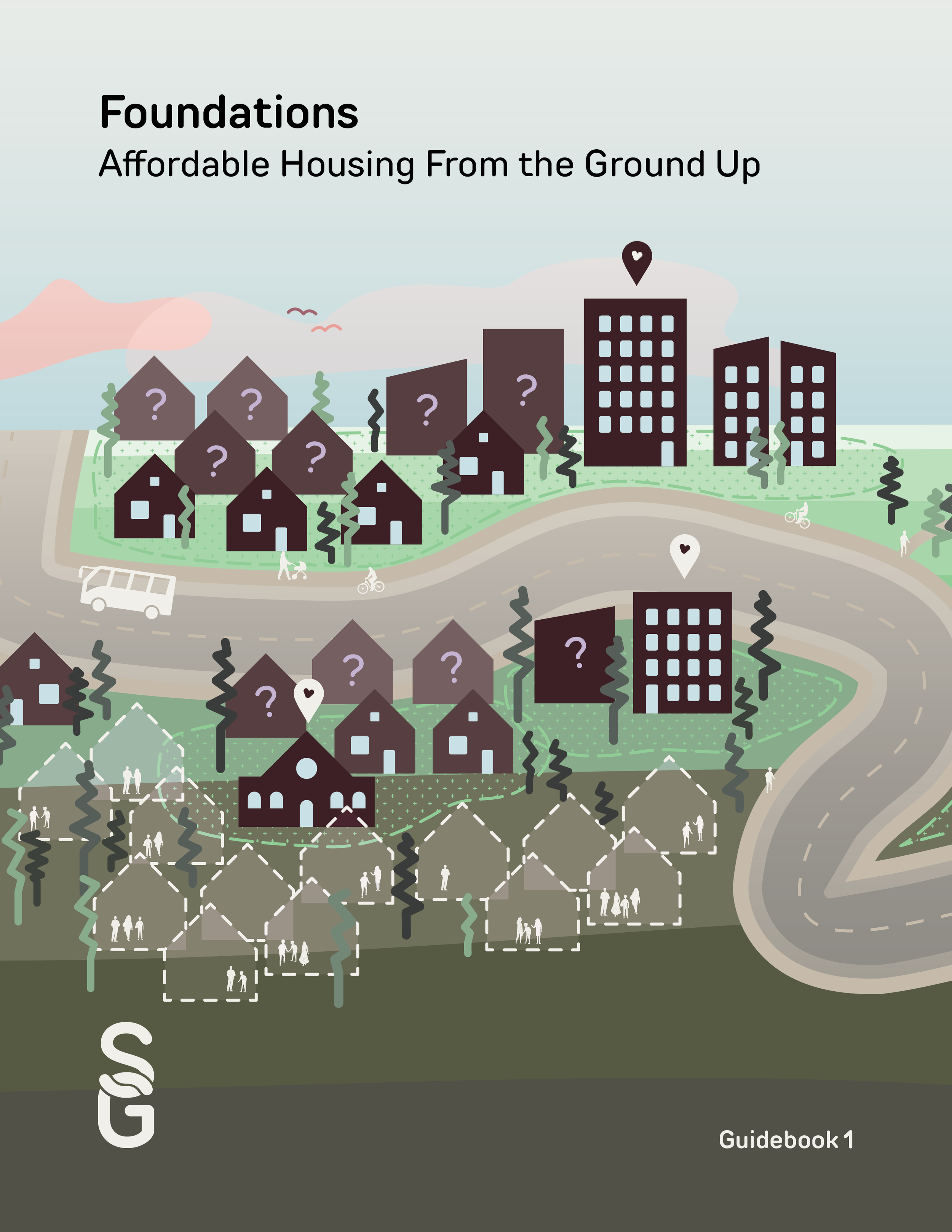
Foundations helps social purpose organizations turn their housing aspirations into a clear and achievable project vision. Through a series of interactive worksheets, it guides users through key topics including organizational resources, site assessment, partnership building, funding alignment and community engagement, helping to uncover opportunities, identify potential challenges and better understand what it will take to bring a project to life and move confidently toward development.
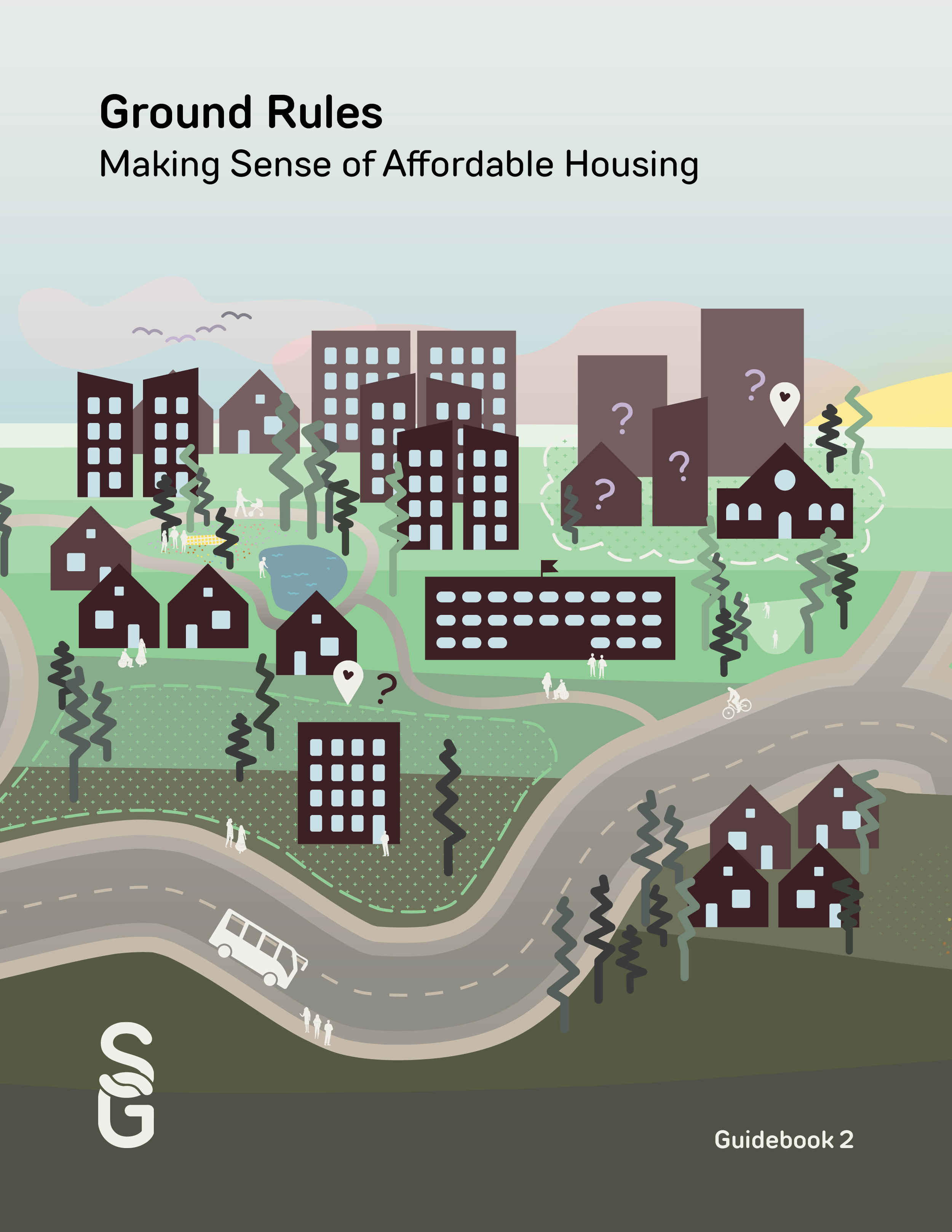
Ground Rules is organized into three sections. The first introduces affordability definitions, housing types, development pathways and key funding concepts that shape early project decisions. The second addresses housing design, efficiency and quality, outlining how space planning, unit layout and amenities influence both livability and viability. The third explains how building code requirements, construction systems, energy performance and cost metrics inform what can be built and at what cost.
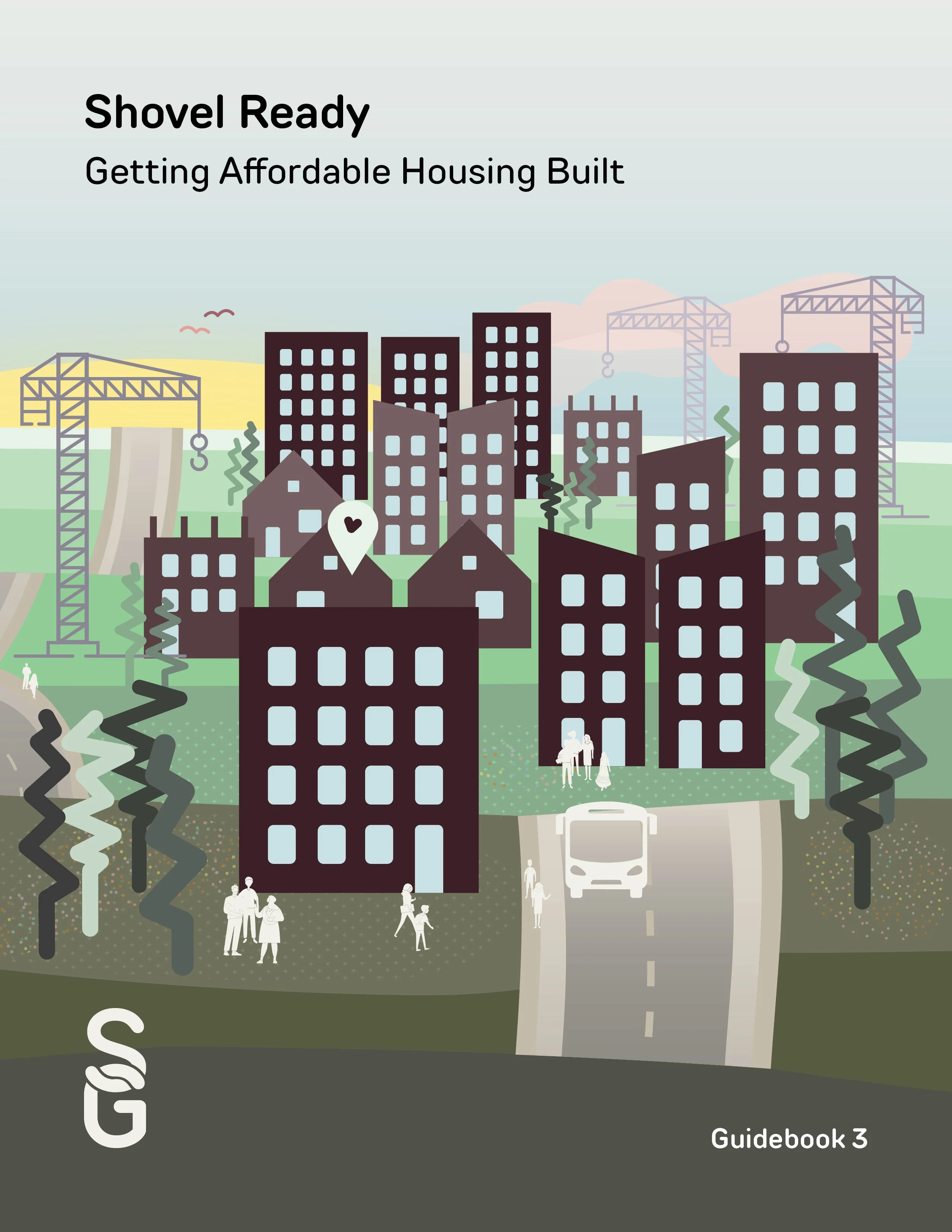
Shovel Ready is organized into three sections. The first focuses on project readiness, introducing the financial tools and planning work used to test feasibility and reduce uncertainty. The second presents a project roadmap, outlining who participates in a housing project and how work progresses through key phases, timelines and budgets. The third addresses project delivery, describing the technical design process and construction procurement approaches used to bring a building to completion.
Reports
A summary of Shared Ground’s first year of research, engagement and project development, including key metrics related to organizations reached, feasibility studies completed and knowledge-sharing activities undertaken across Winnipeg’s social purpose and community housing sector.
A summary of Shared Ground’s second year of implementation, highlighting project outcomes, pilot project advancement, toolkit publication, sector engagement and the growing impact of feasibility-stage support in advancing affordable housing development on social purpose infrastructure.
This workshop brought together organizations serving newcomers, housing providers and community partners to discuss housing needs and development opportunities for newcomer communities in Winnipeg. Participants explored affordable housing models, partnership approaches and strategies for creating housing that supports successful settlement and community integration.
This roundtable brought together faith leaders, housing practitioners, planners and community organizations to explore how underutilized faith-owned properties can support affordable housing and community-serving uses. Participants discussed development opportunities, community needs, partnership models and lessons learned from faith-based housing initiatives.
Building on the first roundtable, this event focused on moving projects from vision to implementation through peer learning and partnership building. Discussions explored funding and financing innovation, barriers and challenges encountered in advancing faith-based housing projects, and scalable strategies for unlocking development opportunities on faith-owned land.